



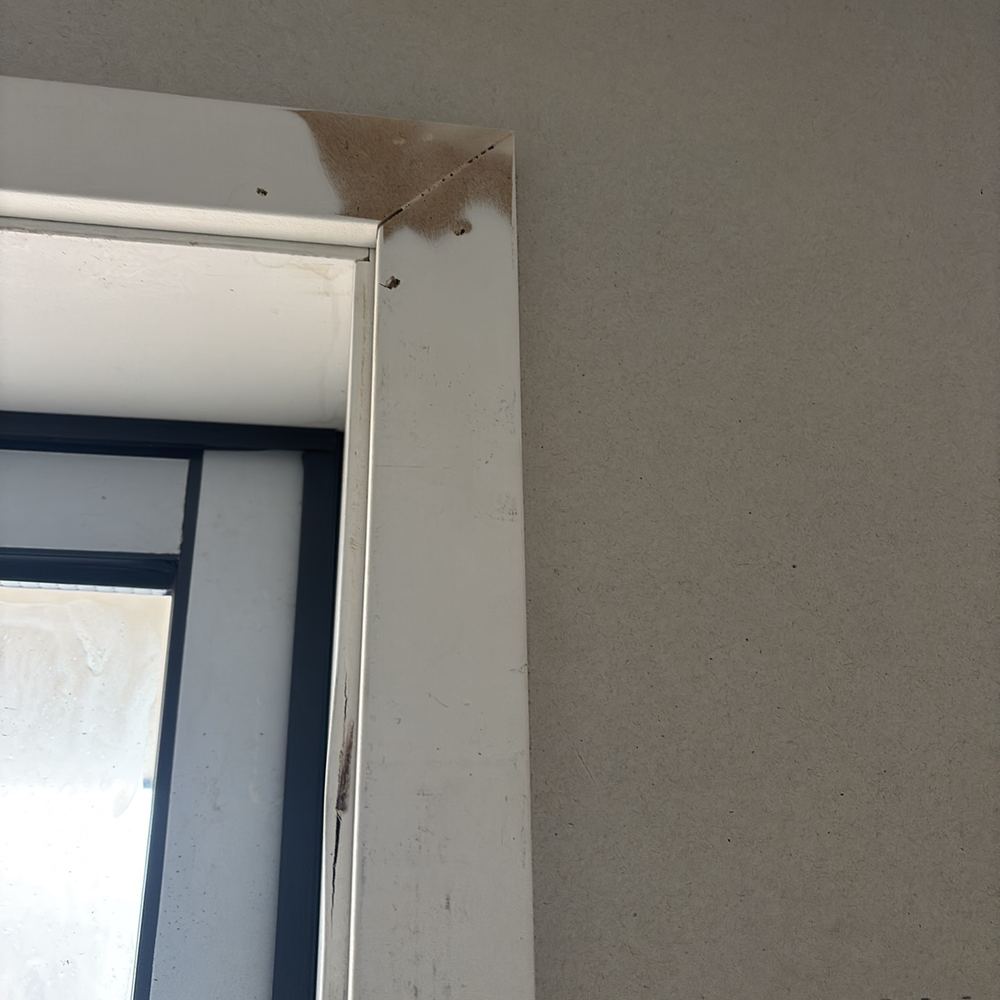
Cracks in a new Strathtulloh home: settling or a defect?
How to tell normal settlement from a defect on reactive clay, and what a crack investigation measures.
A defect investigation is for a home you already own where something has gone wrong: a crack that keeps opening, a stain on the ceiling, a door that has started to bind or water where it should not be.
One of our inspectors will call you back. If it is urgent, call 1300 471 805.
Findings are assessed against the Guide to Standards and Tolerances 2015, the National Construction Code and the Australian Standard that governs the element in question, with the home's drawings where they exist.
27 checkpoints across 9 areas on a standard Strathtulloh defect investigation report. Where a ceiling space, subfloor or roof could not be reached safely, the report says so plainly and names what was left unseen.
Findings from a defect investigation on an established Victorian home, labelled with its suburb.
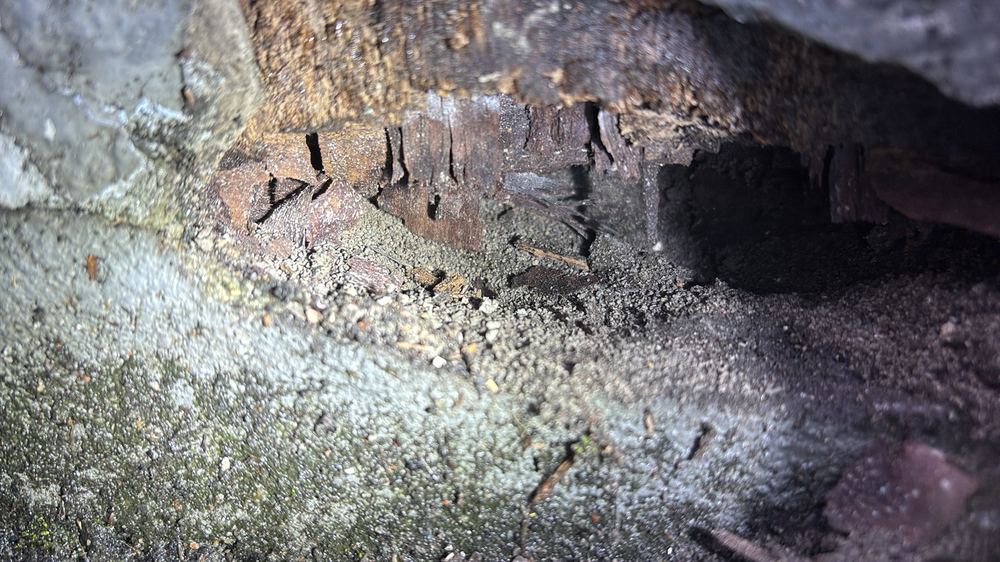
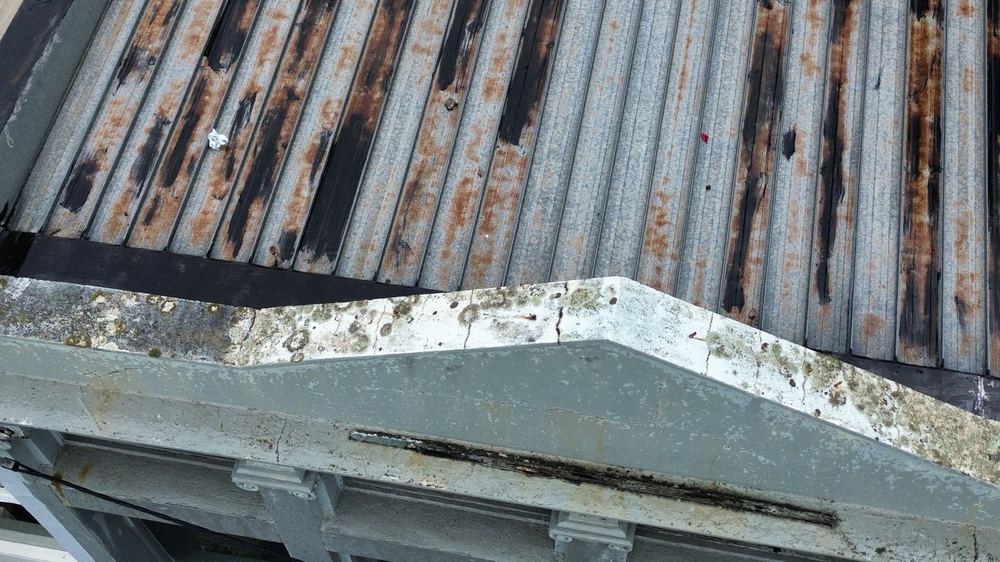
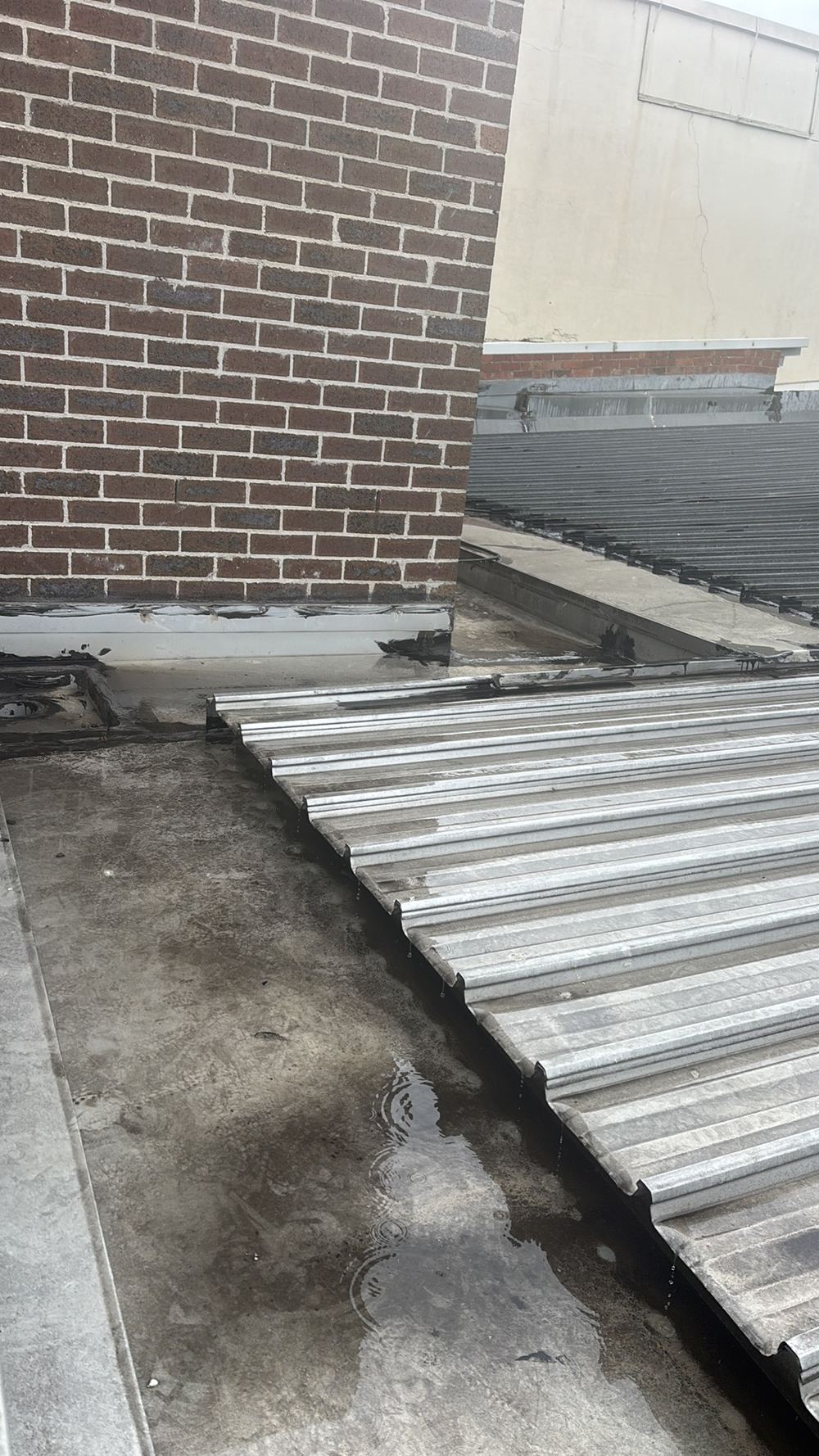
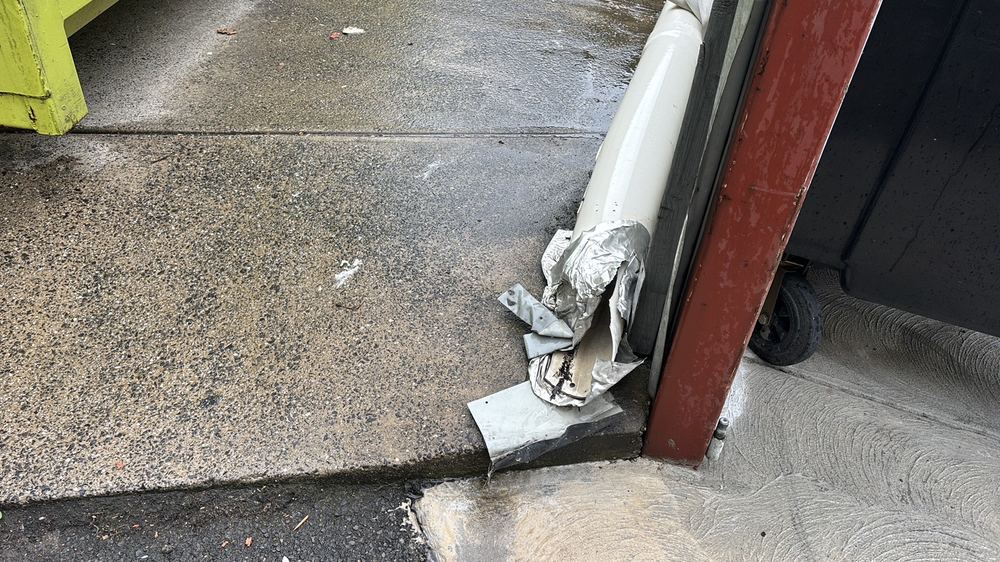
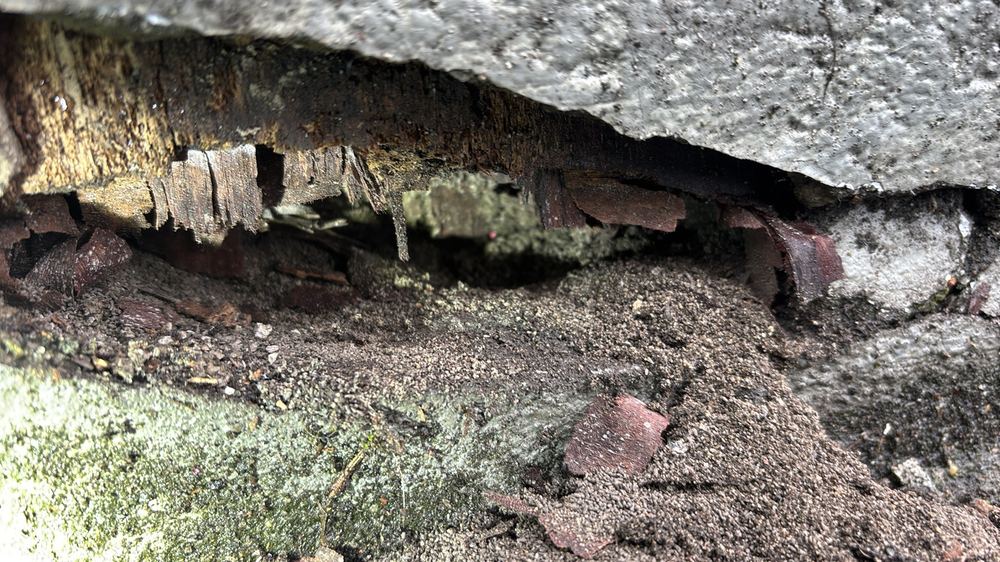
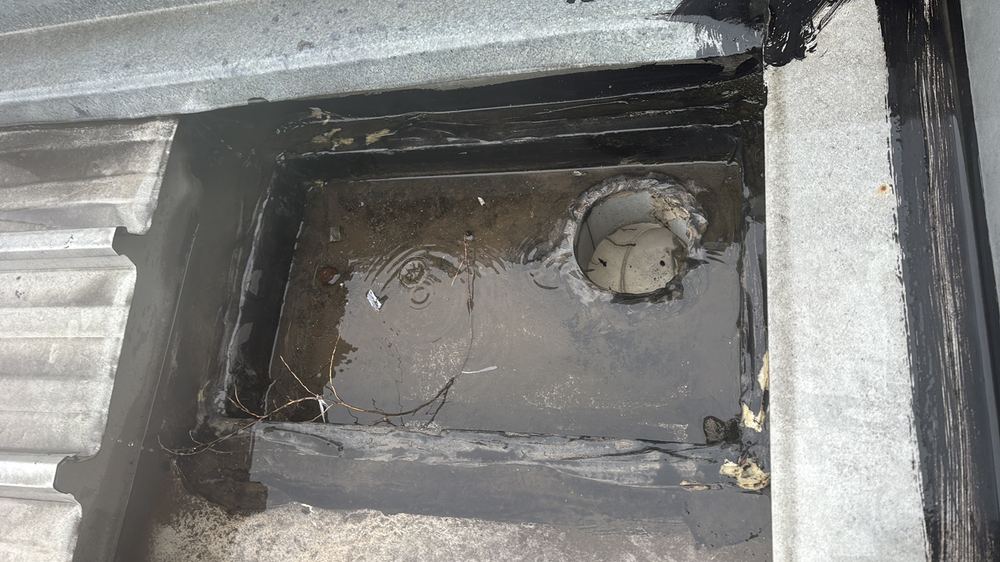
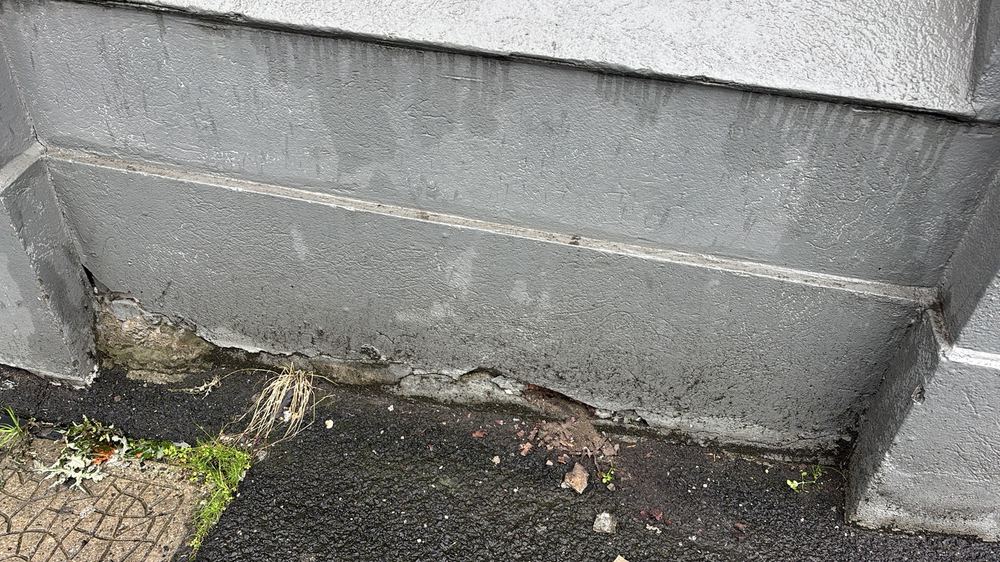
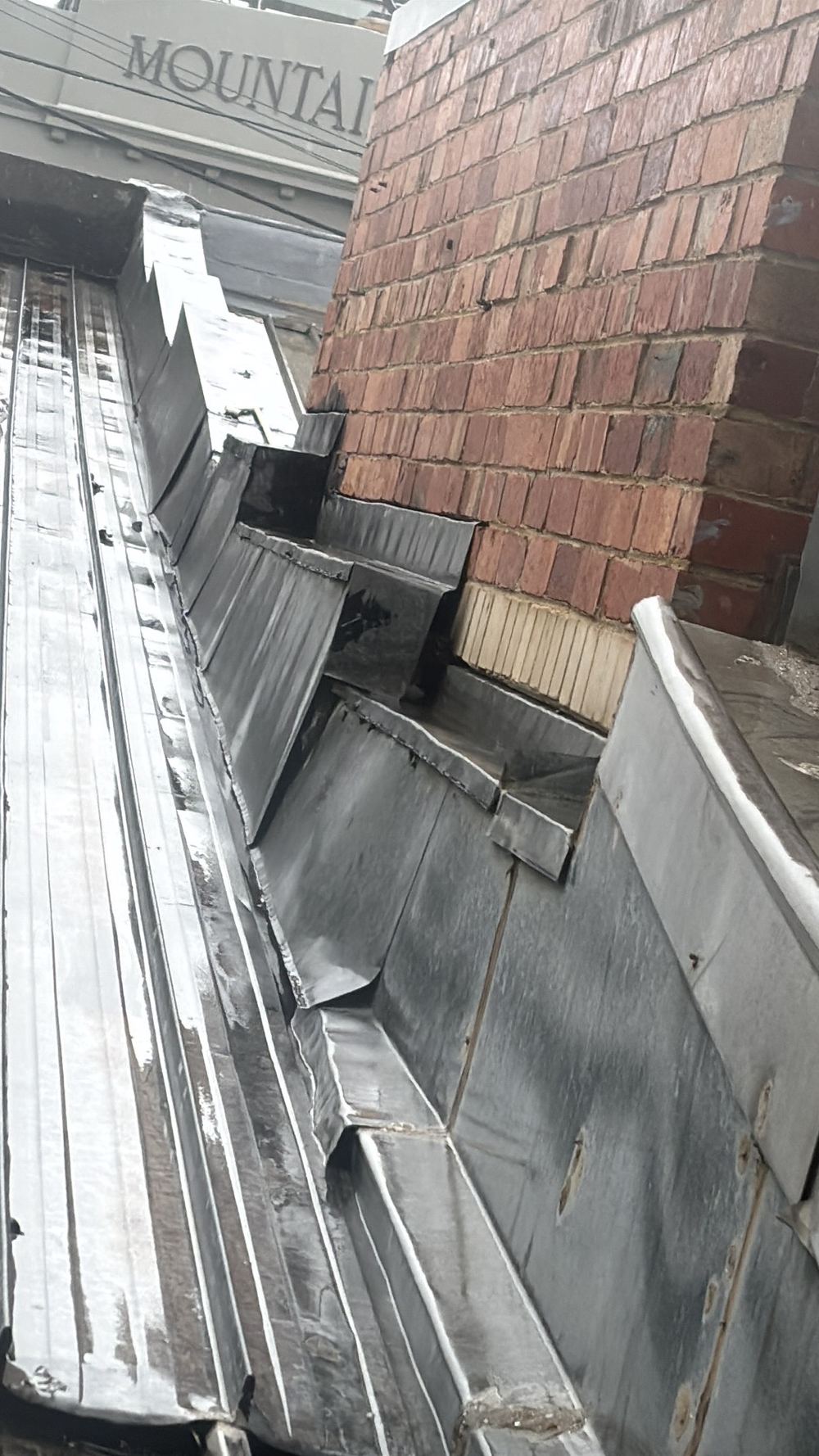

How to tell normal settlement from a defect on reactive clay, and what a crack investigation measures.
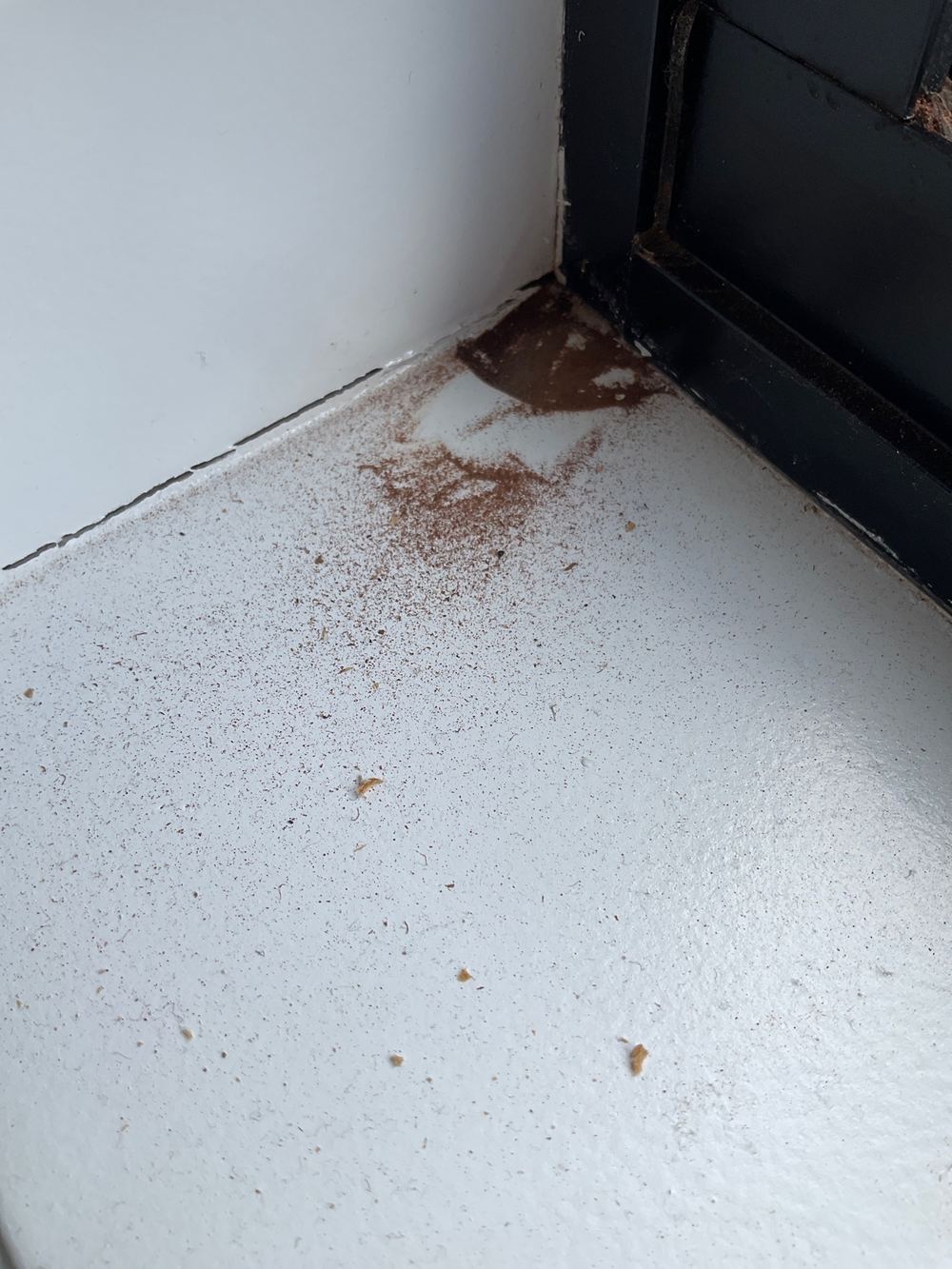
A ceiling stain or damp wall in a new home has a cause. How we trace it and what we usually find.
We write a defect report for two readers: you and your builder. Tribunal evidence needs something different. How to choose.
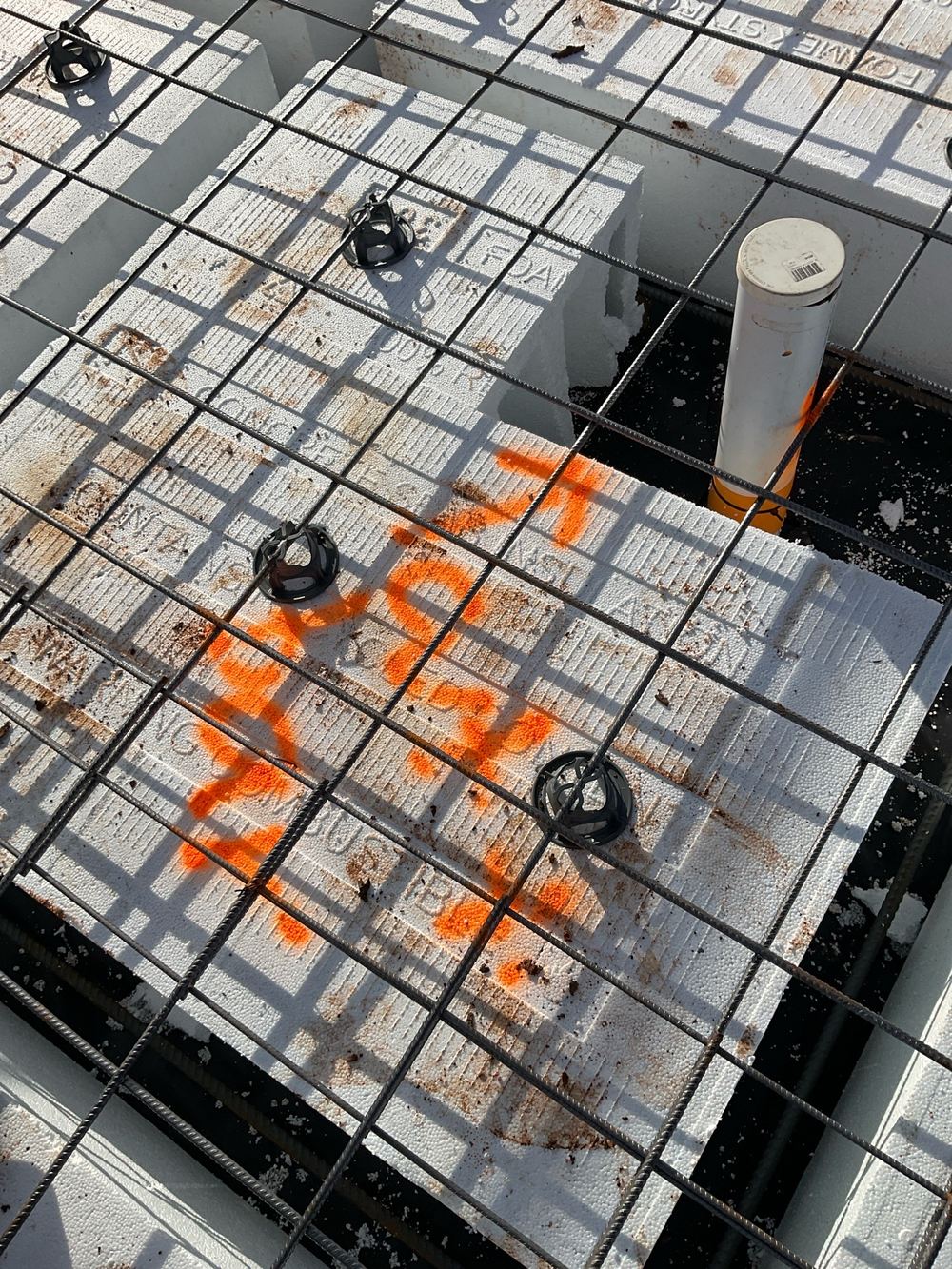 New Construction Stage Inspections Seven visits timed to the moment each part of the build is about to disappear behind concrete, plaster or tiles.
 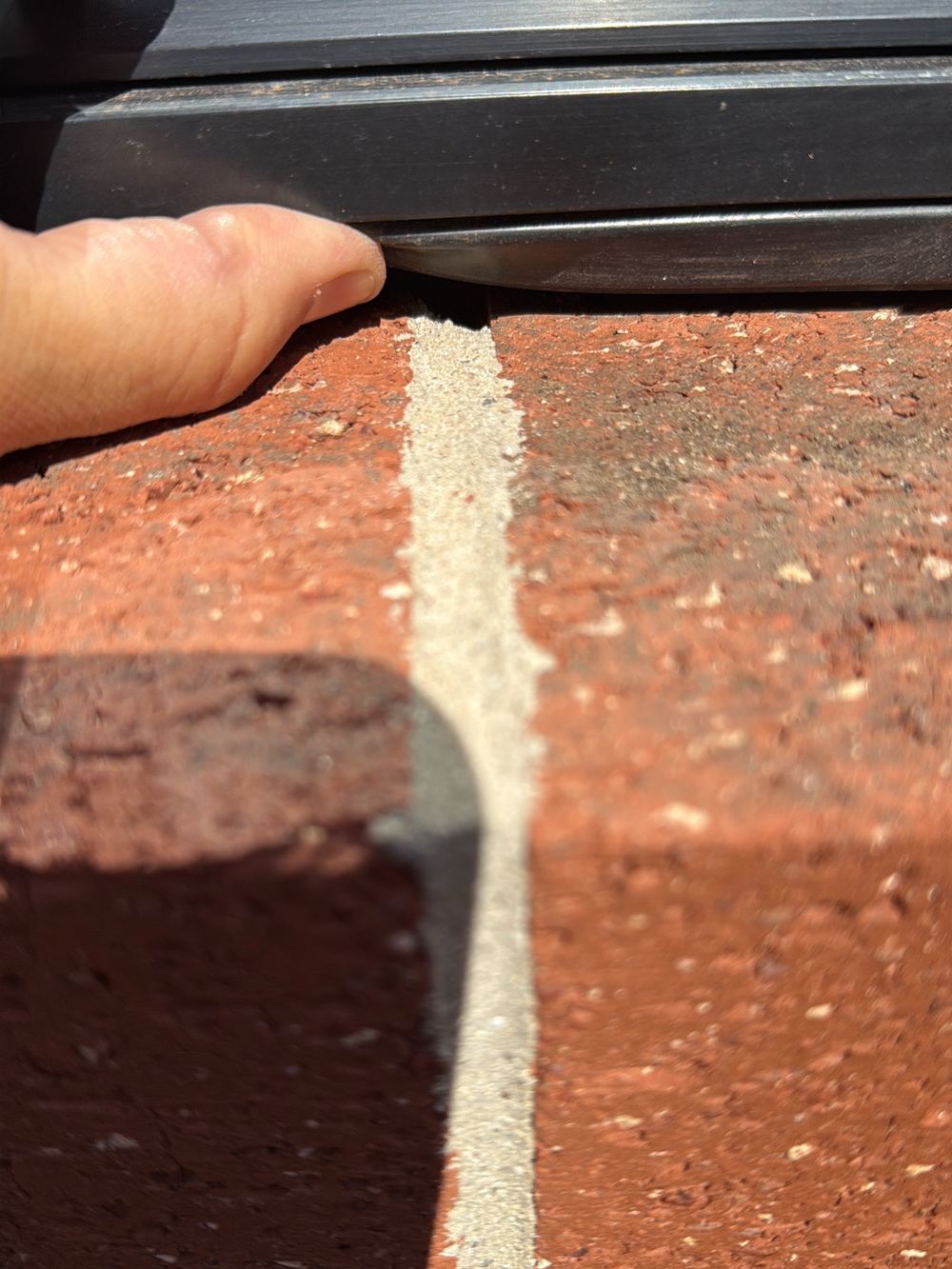 Pre-Handover (PCI) Inspections A room by room defect list before you sign off and make the last payment.
 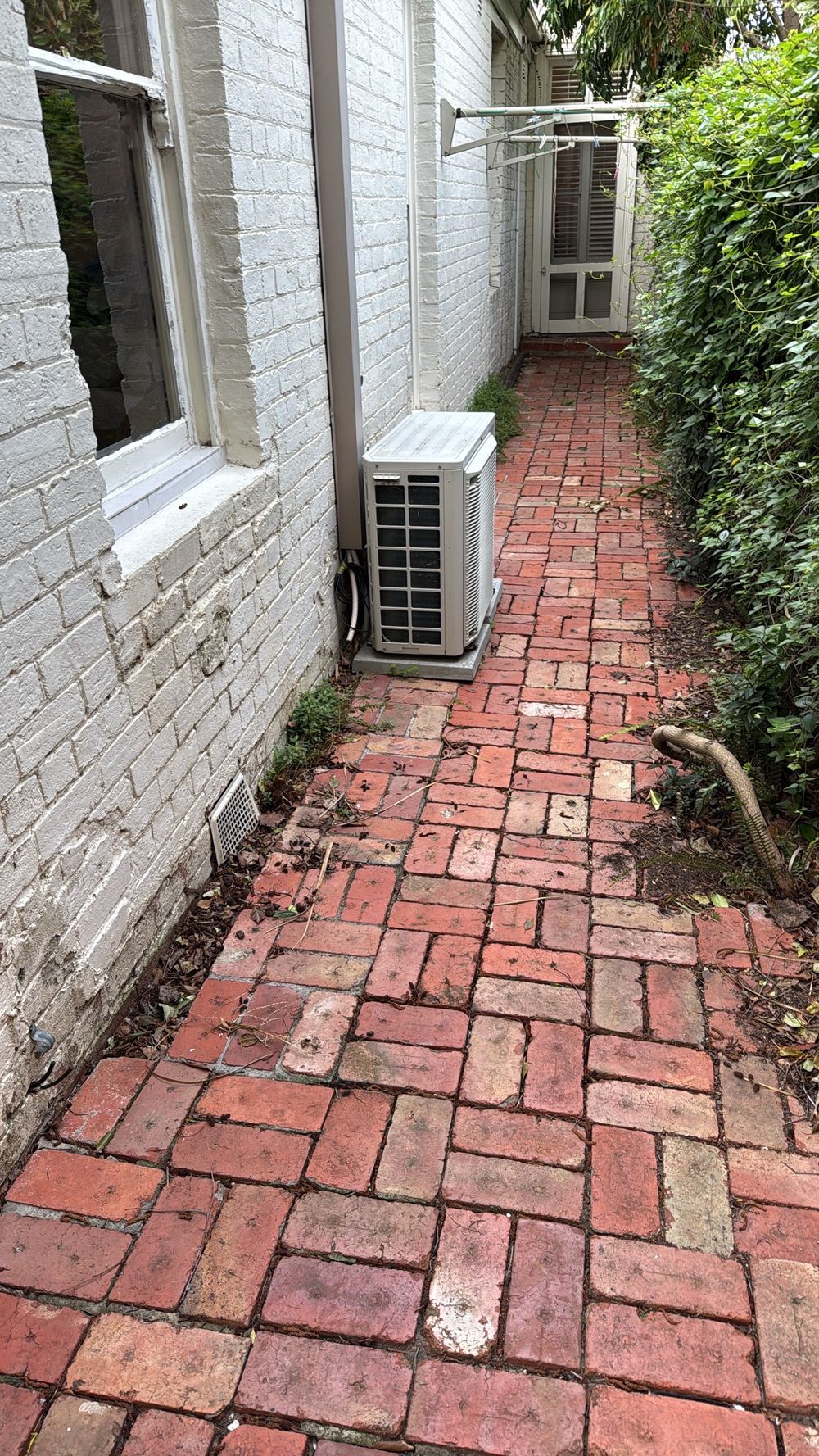 Pre-Purchase Building Inspections A visual AS 4349.1 inspection of significant defects and safety hazards before your cooling off ends.
 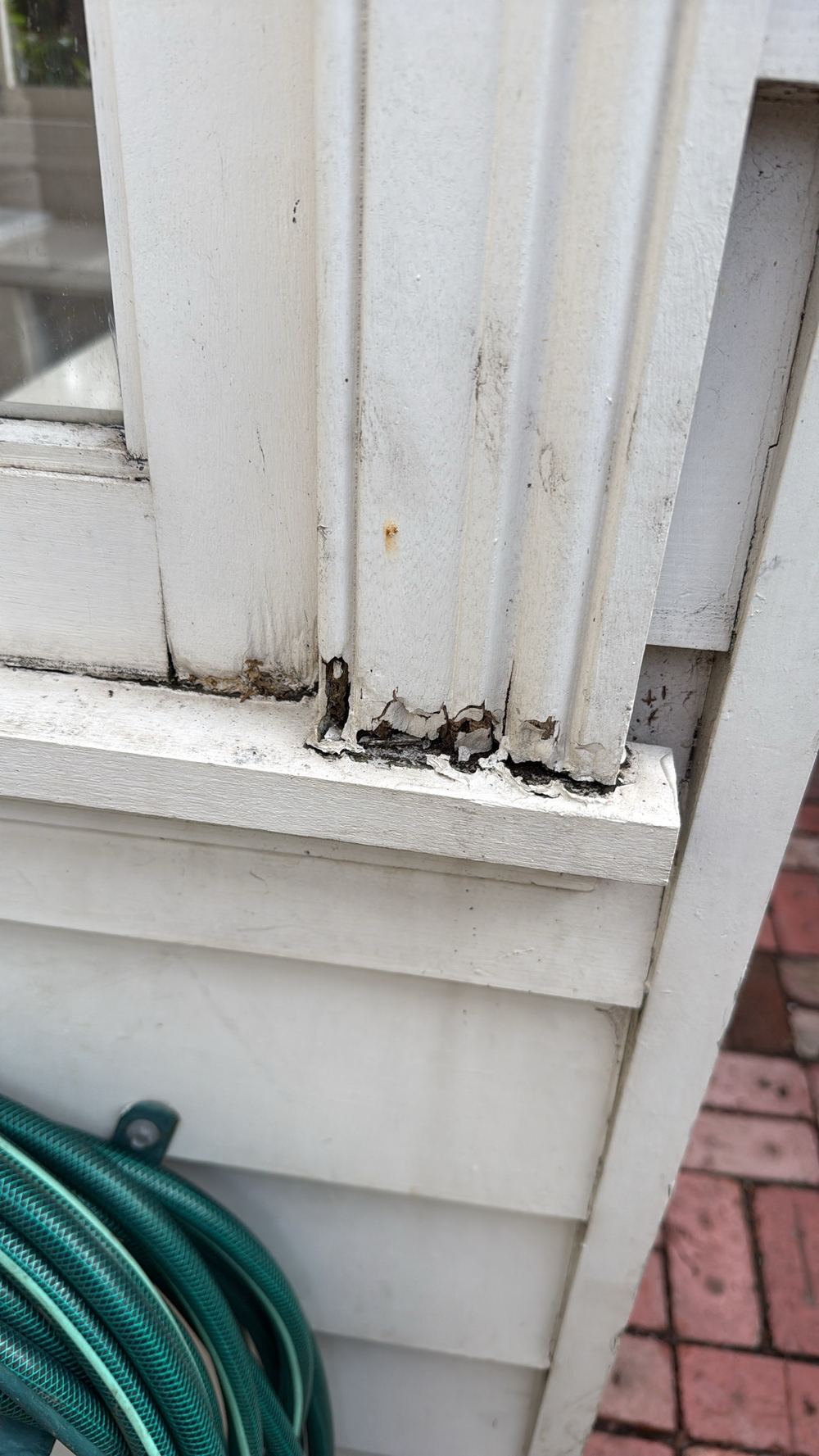 Building and Pest Inspections Building condition and a timber pest inspection under AS 4349.3 in a single visit.
 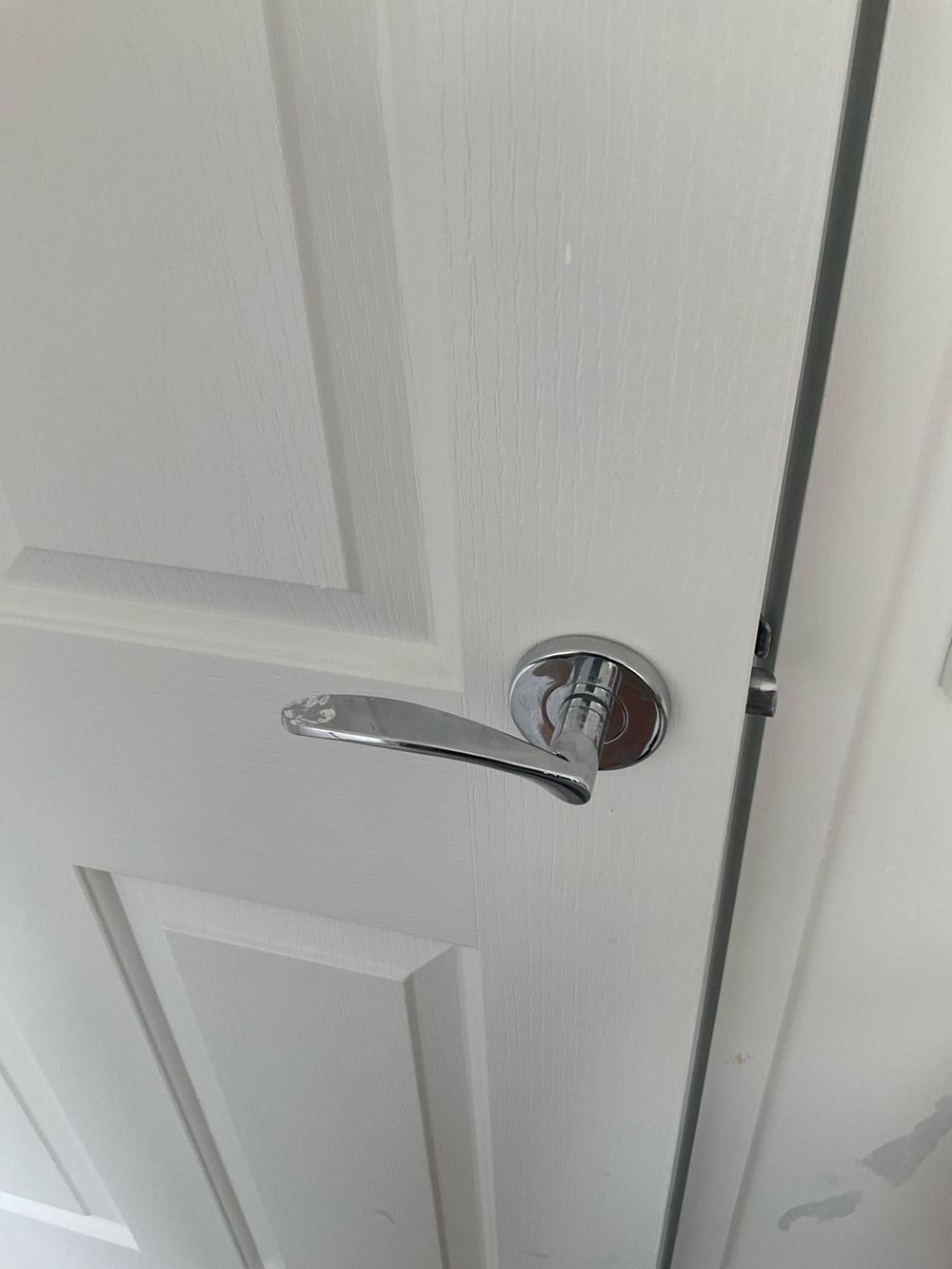 Rental minimum standards (Victoria) inspections Victoria's 15 rental minimum standards checked in a Strathtulloh home before it is advertised.
 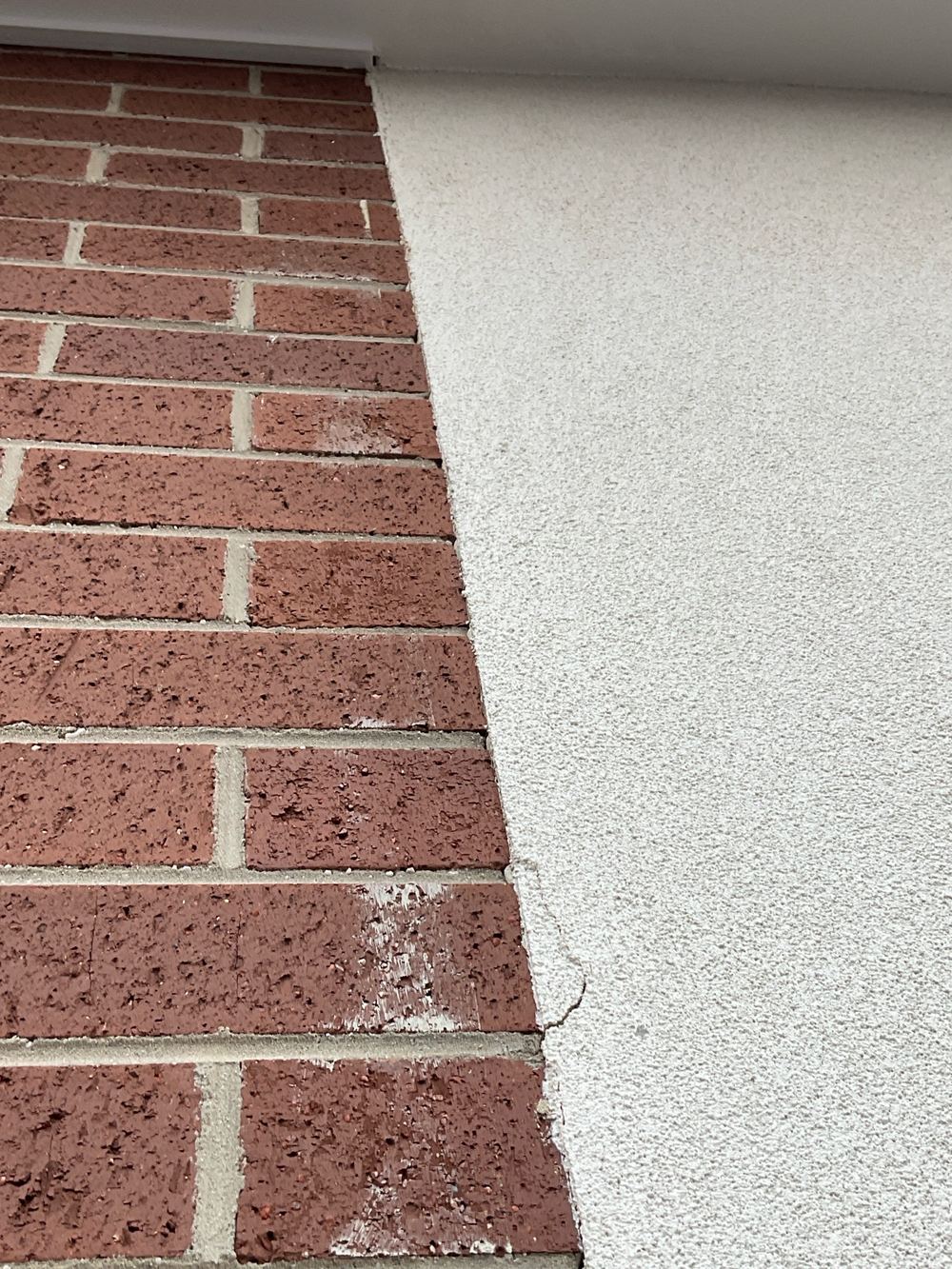 Dilapidation Reports A dated photographic record of your home before earthworks start on the lot beside it.
 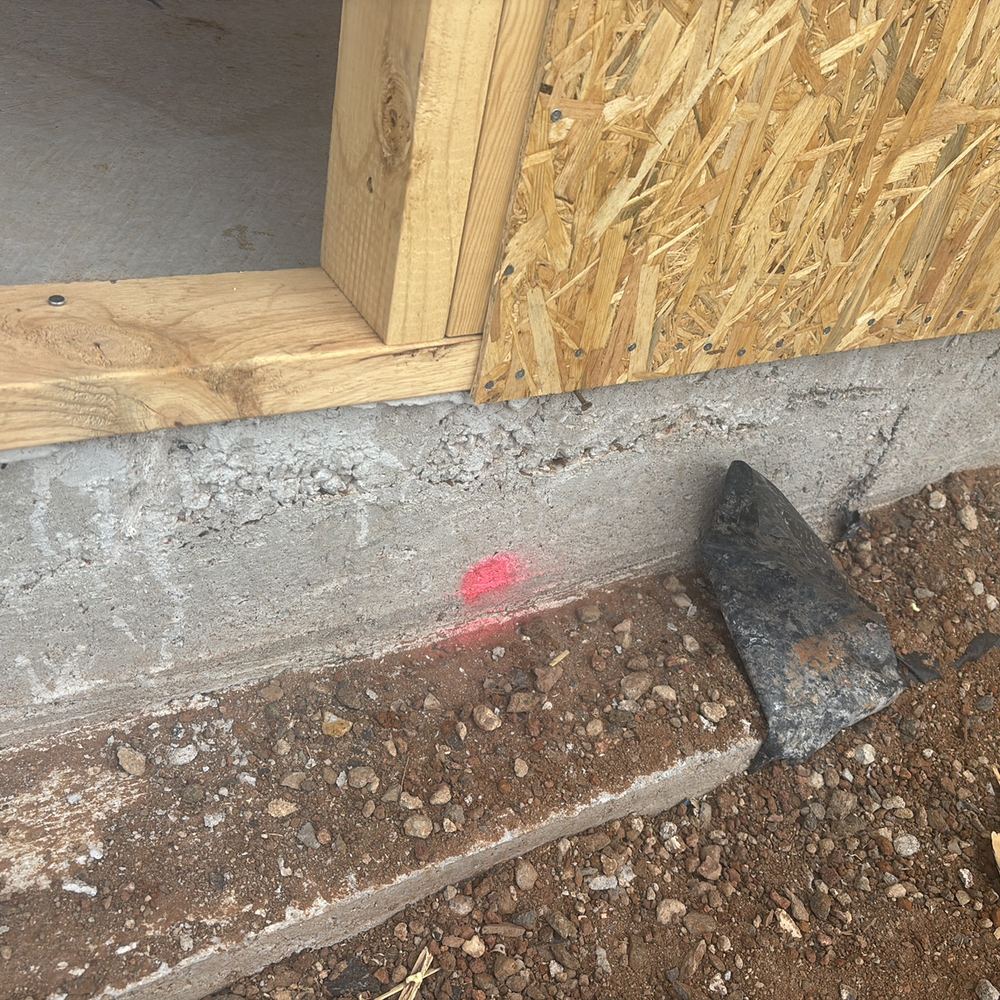 VCAT Expert Witness Reports Tribunal-ready evidence for a Strathtulloh building dispute, prepared to the VCAT practice note.
 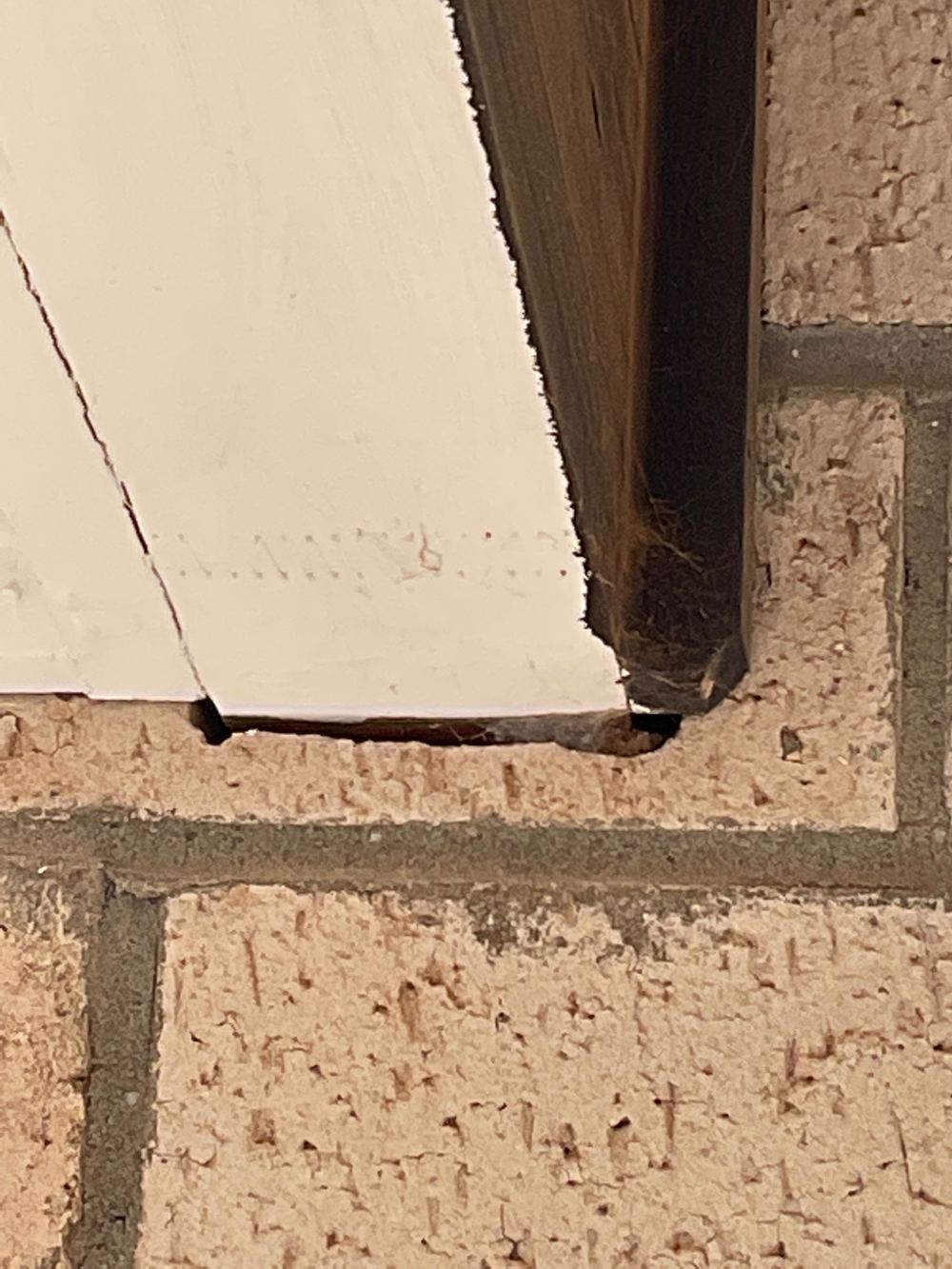 Pre-Sale Inspections Know what a buyer's inspector will say before your Strathtulloh home goes on the market. Mould Inspections Trace the damp feeding the mould, not just the black patch on the ceiling.
 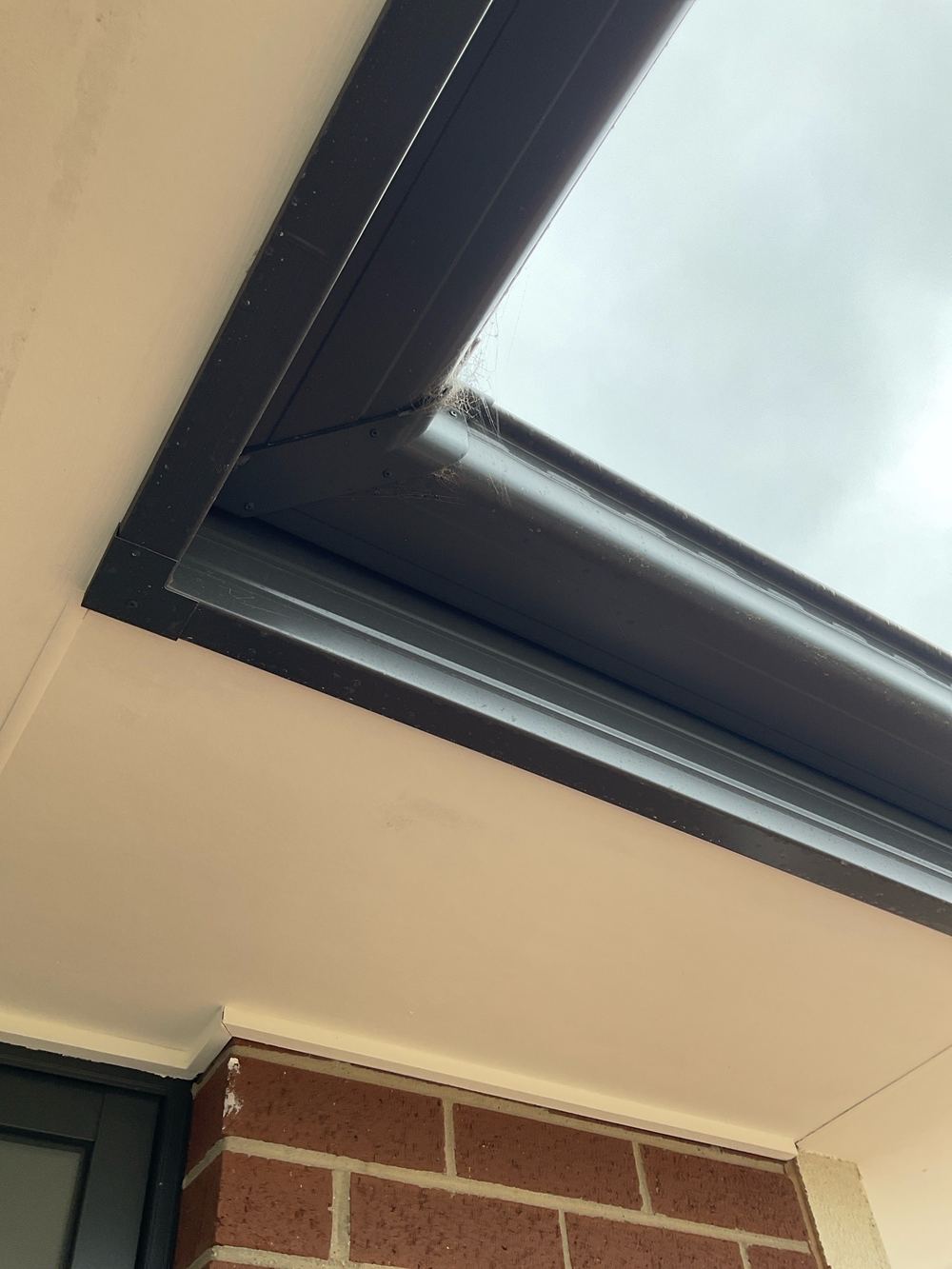 Insurance Claim Assessments An independent account of damage and its cause when an insurer and owner disagree.
 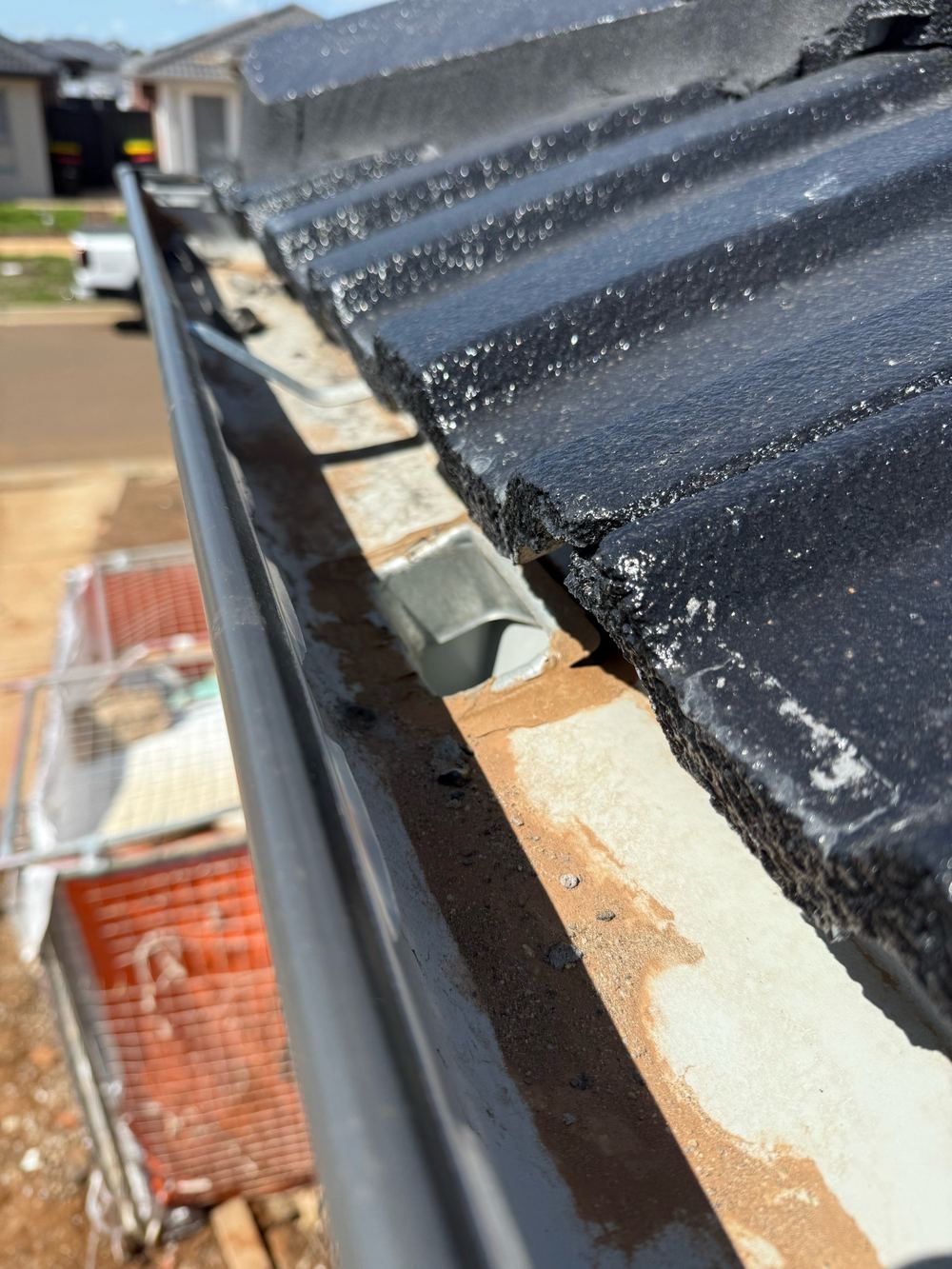 Maintenance Inspections A yearly look over roof, gutters and drainage so small faults stay small.
  Apartment Pre-Settlement Your defect list for an off the plan unit, completed before you settle.
  Reinspections A return visit to confirm the builder really fixed each item on the list.
  Timber Pest Inspections A standalone AS 4349.3 check for termites, borers and conditions that invite them.
  Tax Depreciation Schedule Claim what a Strathtulloh rental is entitled to from its first year let. Commercial Property Inspections Condition reporting for shops, offices and industrial buildings.
  Strata Reports Read what the owners corporation records reveal before buying into one.
 Instant online pricing, or talk to the booking team on 1300 471 805.
Fine cracks in plaster and cornices are common as a house settles on clay. The Guide to Standards and Tolerances 2015 sets out when cracking becomes a defect, and we measure against it.
We trace water paths with a moisture meter and thermal camera and inspect flashings, gutters and the roof space. Where the source is hidden behind finishes we say so rather than guess.
Victorian domestic building work carries a ten year limitation period for defects under the Building Act. Your contract and builder's warranty terms also matter, so keep the paperwork handy.
No. A defect investigation report is written for you and the builder. For the BPC dispute resolution service or VCAT you need an expert witness report written to the VCAT practice note, which we also prepare.
Photograph the problem with dates, note when it appears (after rain, in summer), and gather the contract, drawings and any builder correspondence.
Usually two to three hours on site, depending on how many issues and how much of the house they involve.
The report explains what the defect is, why it matters and what kind of rectification it needs. It does not specify an engineered repair or cost one.
No. The investigation is non-destructive. If the evidence points to something behind a finish, we recommend the next step and who should take it.
Destructive investigation, engineering certification, geotechnical or soil testing, rectification design and the repair work itself. Electrical, gas and plumbing testing sit with licensed trades.
Most weeks we can attend within a few days. Water entry gets priority because the damage grows while you wait.